Introduction
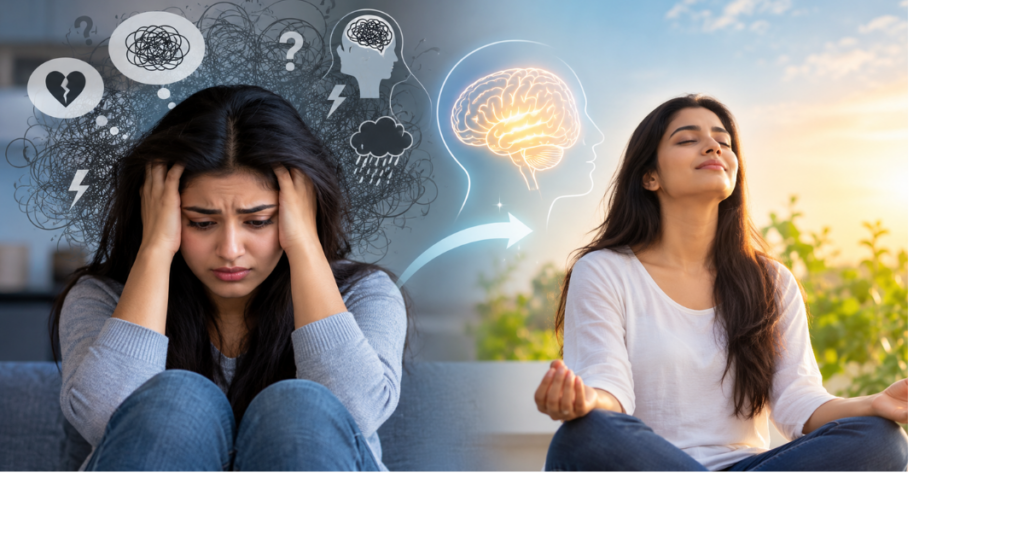
Anxiety is a natural response to stress, but when feelings of fear, worry, and nervousness become excessive or interfere with daily life, they may indicate an anxiety disorder. Anxiety disorders can affect a person’s thoughts, emotions, physical health, relationships, and work performance.
The good news is that anxiety disorders are treatable. With the right treatment, professional guidance, and healthy lifestyle habits, people can learn to manage their symptoms and improve their quality of life.
In this blog, we will explore the causes, symptoms, and effective treatment options for anxiety disorders.
What Is an Anxiety Disorder?
An anxiety disorder is a mental health condition characterized by persistent and excessive fear or worry. Unlike occasional anxiety, which is a normal part of life, an anxiety disorder can continue even when there is no immediate threat or clear reason to feel anxious.
Common types of anxiety disorders include:
- Generalized Anxiety Disorder (GAD)
- Panic Disorder
- Social Anxiety Disorder
- Specific Phobias
- Separation Anxiety Disorder
Each condition may have different symptoms, but all can affect a person’s ability to manage everyday situations comfortably.
Common Symptoms of Anxiety Disorders
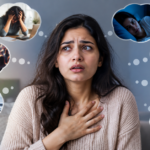
Anxiety can cause both emotional and physical symptoms. These symptoms may vary from person to person.
Emotional Symptoms
- Excessive worrying or overthinking
- Feeling restless or nervous
- Difficulty concentrating
- Fear of losing control
- Feeling tense or overwhelmed
- Trouble relaxing
Physical Symptoms
- Rapid heartbeat
- Sweating or trembling
- Shortness of breath
- Muscle tension
- Headaches or stomach discomfort
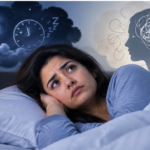
- Difficulty sleeping
- Fatigue
If these symptoms occur frequently or interfere with daily activities, consulting a qualified mental health professional can help identify the cause and appropriate treatment.
What Causes Anxiety Disorders?
There is no single cause of anxiety disorders. They may develop due to a combination of factors, including:
1. Genetics: A family history of anxiety or other mental health conditions may increase the likelihood of developing anxiety.
2. Stressful Life Events: Financial difficulties, relationship problems, work pressure, or traumatic experiences can contribute to anxiety.
3. Brain Chemistry: Differences in brain function and the systems involved in regulating fear and stress may play a role.
4. Medical Conditions: Certain health conditions or medications can cause symptoms that resemble anxiety.
5. Lifestyle Factors: Poor sleep, excessive caffeine consumption, and ongoing stress may worsen anxiety symptoms.
Understanding the possible causes can help a healthcare professional recommend an appropriate treatment plan.
Effective Anxiety Disorder Treatment Options
Anxiety disorder treatment depends on the type and severity of symptoms, personal circumstances, and medical history. The following approaches are commonly used.
1. Cognitive Behavioral Therapy (CBT)
Cognitive Behavioral Therapy, or CBT, is an evidence-based form of psychotherapy commonly used to treat anxiety disorders.
It helps individuals identify unhelpful thought patterns, understand how thoughts influence feelings and behavior, and develop healthier ways to respond to stressful situations.
CBT may help people:
- Reduce excessive worrying
- Manage fearful thoughts
- Develop practical coping strategies
- Gradually face situations that trigger anxiety
2. Medication
In some cases, a doctor or psychiatrist may recommend medication to help manage anxiety symptoms.
Common medication options include certain antidepressants, such as SSRIs and SNRIs. Other medications may be considered in specific situations.
Medication choice depends on the individual’s condition, medical history, possible side effects, and other medications they take. Always consult a qualified healthcare professional before starting, changing, or stopping medication.
3. Relaxation Techniques
Relaxation techniques can help reduce physical tension and improve emotional regulation.
Useful techniques include:
- Slow, controlled breathing
- Mindfulness meditation
- Progressive muscle relaxation
- Gentle yoga
- Guided relaxation exercises
Practicing these techniques regularly may help people cope better with everyday stress. They can complement professional treatment but may not be sufficient on their own for a severe anxiety disorder.
4. Regular Physical Activity
Physical activity can support mental well-being and help reduce stress. Walking, cycling, swimming, and other enjoyable forms of exercise may improve mood and sleep quality.
Start with a manageable routine and gradually increase activity according to your ability and health needs.
5. Healthy Sleep Habits
Poor sleep can make anxiety harder to manage. Maintaining a consistent sleep schedule and creating a relaxing bedtime routine may help.
Consider the following habits:
- Go to bed and wake up at consistent times.
- Reduce screen use before bedtime.
- Avoid caffeine late in the day.
- Keep your bedroom comfortable and quiet.
- Practice relaxation before sleeping.
If sleep problems persist, discuss them with a healthcare professional.
6. Reduce Caffeine and Alcohol
Caffeine may increase restlessness, rapid heartbeat, and nervousness in some people. Alcohol may temporarily change how a person feels but can worsen anxiety or disrupt sleep.
Pay attention to how these substances affect you and consider reducing them if they trigger symptoms. If you drink heavily or regularly, seek medical advice before stopping alcohol suddenly.
7. Build a Strong Support System
Talking to trusted friends, family members, or a mental health professional can make it easier to cope with anxiety.
Support groups may also help people feel less isolated and learn from others with similar experiences.
Remember that seeking help is a positive step toward better mental health.
When Should You Seek Professional Help?
Consider speaking with a qualified psychologist, psychiatrist, or other healthcare professional if:
- Anxiety is persistent or difficult to control.
- You frequently experience panic attacks.
- Anxiety affects your work, studies, sleep, or relationships.
- You avoid everyday activities because of fear.
- Self-help strategies are not providing enough relief.
A professional can assess your symptoms, rule out other possible causes, and recommend suitable treatment.
If you experience severe breathing difficulty, chest pain, fainting, or new and unexplained physical symptoms, seek urgent medical evaluation rather than assuming they are caused by anxiety.
Can Anxiety Disorders Be Treated Successfully?
Yes. Many people experience meaningful improvement with appropriate treatment. Psychotherapy, medication when needed, lifestyle changes, and ongoing support can help individuals manage symptoms and return to their daily routines. Seeking Mood Disorder Treatment in Indore can help individuals receive personalized care, improve emotional well-being, and work toward long-term mental health stability
FAQUs
1. What is the best treatment for anxiety disorders?
Cognitive Behavioral Therapy (CBT) is a commonly recommended treatment. Depending on the condition and its severity, a healthcare professional may also recommend medication or a combination of treatments.
2. Can anxiety disorders be treated without medication?
Yes. Some people benefit from psychotherapy, particularly CBT, along with lifestyle changes and relaxation techniques. Whether medication is appropriate depends on individual needs.
3. How long does anxiety disorder treatment take?
Treatment duration varies depending on the type of anxiety disorder, symptom severity, treatment approach, and individual response.
4. Can lifestyle changes help reduce anxiety?
Regular exercise, adequate sleep, reduced caffeine intake, relaxation exercises, and social support may help manage symptoms and complement professional care.
5. When should I see a doctor for anxiety?
Seek professional advice when anxiety is persistent, difficult to control, causes significant distress, or interferes with daily activities.