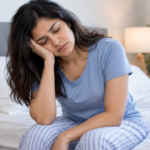
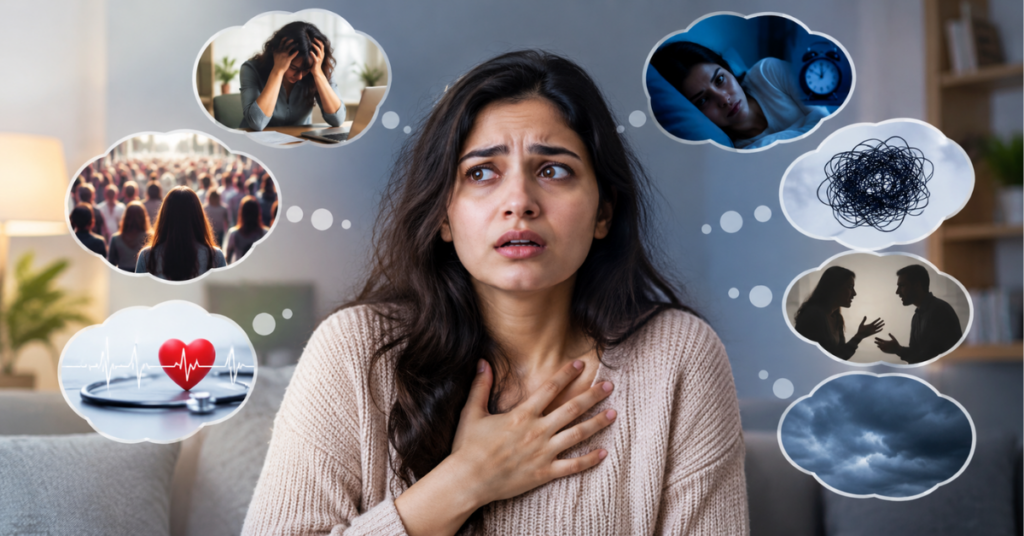
A panic attack is a sudden episode of intense fear or discomfort that can occur even when there is no immediate danger. Common panic attack symptoms include a racing heartbeat, sweating, trembling, breathlessness, dizziness, and a feeling of losing control. These symptoms can be frightening, but experiencing a panic attack does not automatically mean someone has panic disorder.
What Can Trigger Panic Attacks?
Panic attacks can develop for different reasons, and triggers vary from person to person. Common factors include:
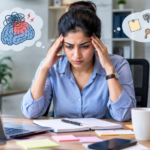
- Stress and emotional pressure: Work deadlines, relationship difficulties, financial worries, or major life changes may contribute to anxiety and panic symptoms.
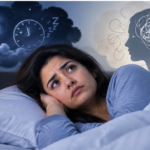
- Lack of sleep: Poor sleep and physical exhaustion can make it harder to manage stress and may increase vulnerability to anxiety.
- Caffeine and stimulants: Excessive coffee, energy drinks, and other stimulants can cause a racing heartbeat or shakiness, sometimes intensifying panic symptoms.
- Specific situations or reminders: Crowded places, travelling, or reminders of distressing experiences may trigger fear in some individuals.
- Physical sensations: Dizziness, a fast heartbeat, or breathlessness may cause further worry, creating a cycle in which fear intensifies these sensations.
Not everyone experiences the same triggers, and several factors may contribute at once.
Are Panic Attack Triggers Always Obvious?
No, panic attack triggers are not always easy to identify. Some attacks occur unexpectedly, without an obvious stressful event or identifiable cause. Others may follow days or weeks of accumulated stress, disrupted sleep, or ongoing emotional pressure.
Sometimes, a person notices a physical sensation and interprets it as a sign of danger. This interpretation can increase fear and intensify the body’s stress response. However, not every panic attack has a specific trigger that can be identified.
How Can You Manage Possible Triggers?
Understanding your patterns may help you manage panic symptoms more effectively. Consider these practical steps:
- Keep a diary of symptoms, activities, sleep, and possible triggers.
- Maintain a regular sleep schedule and allow enough time for rest.
- Reduce excessive caffeine, particularly if it worsens your symptoms.
- Practise slow, comfortable breathing without forcing deep breaths.
- Seek professional guidance if symptoms continue or affect daily life.
If you experience new, severe, or unusual chest pain or breathing difficulty, seek urgent medical evaluation rather than assuming the symptoms are caused by panic.
When Should You Seek Professional Help?
Consider speaking with a qualified mental health professional if panic attacks happen repeatedly, you constantly fear another episode, or you avoid work, travel, or social activities because of anxiety. An assessment can help identify possible contributing factors and determine appropriate care. If you are struggling with recurring symptoms, Panic Disorder Treatment in Indore may help you explore suitable professional support and learn ways to manage panic more confidently.
FAQs
Can panic attacks happen without an obvious trigger?
Yes. Panic attacks can occur unexpectedly, even when a person cannot identify a specific cause or stressful situation.
Can stress and lack of sleep trigger panic attacks?
Yes. Ongoing stress and insufficient sleep may increase vulnerability to anxiety and contribute to panic symptoms.
Can caffeine make panic attack symptoms worse?
Yes. Caffeine can increase heart rate, shakiness, and restlessness, which may intensify symptoms in sensitive individuals.
How can I identify my panic attack triggers?
Track symptoms, sleep, caffeine intake, activities, and stressful events in a diary. Patterns may become clearer over time.
When should I seek professional help for panic attacks?
Seek professional help if attacks recur, fear of another episode persists, or symptoms interfere with everyday activities. Urgent or unusual physical symptoms need prompt medical assessment.